Ultrasound cavitation and cryolipolysis are two of the most popular non-invasive fat reduction treatments, but they use very different mechanisms to achieve similar goals. Understanding the difference can help you choose the right option for your body and your goals.
Ultrasound Cavitation
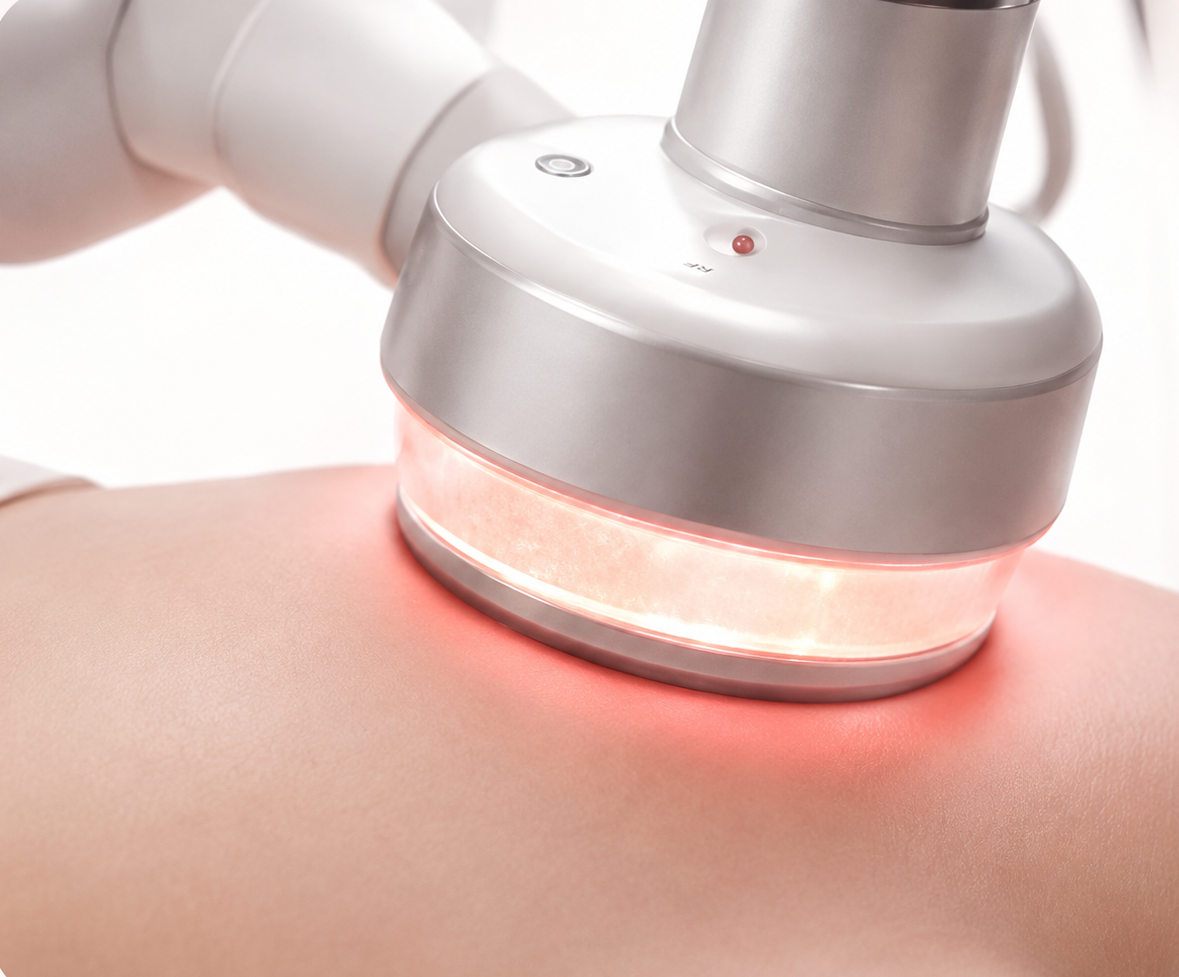
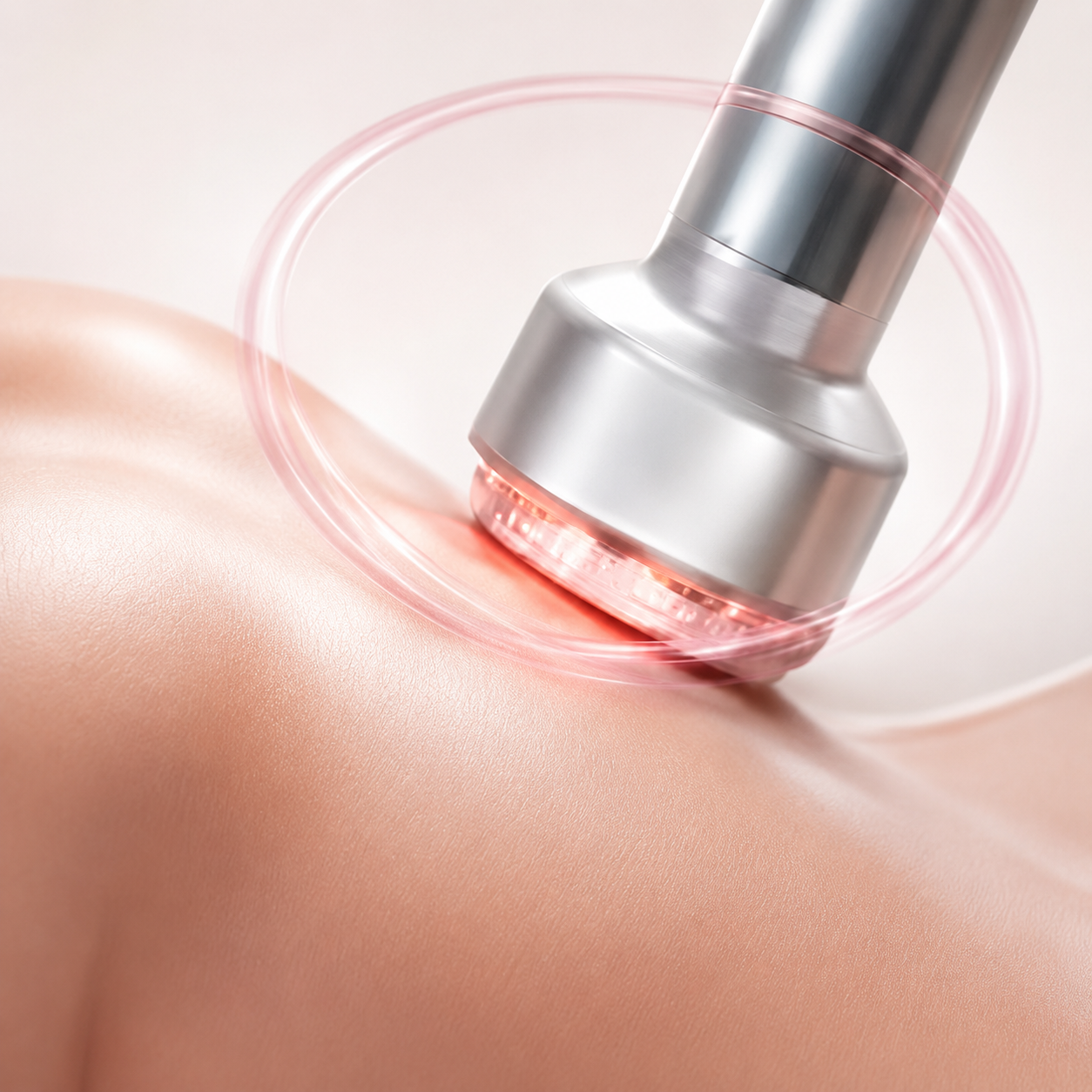
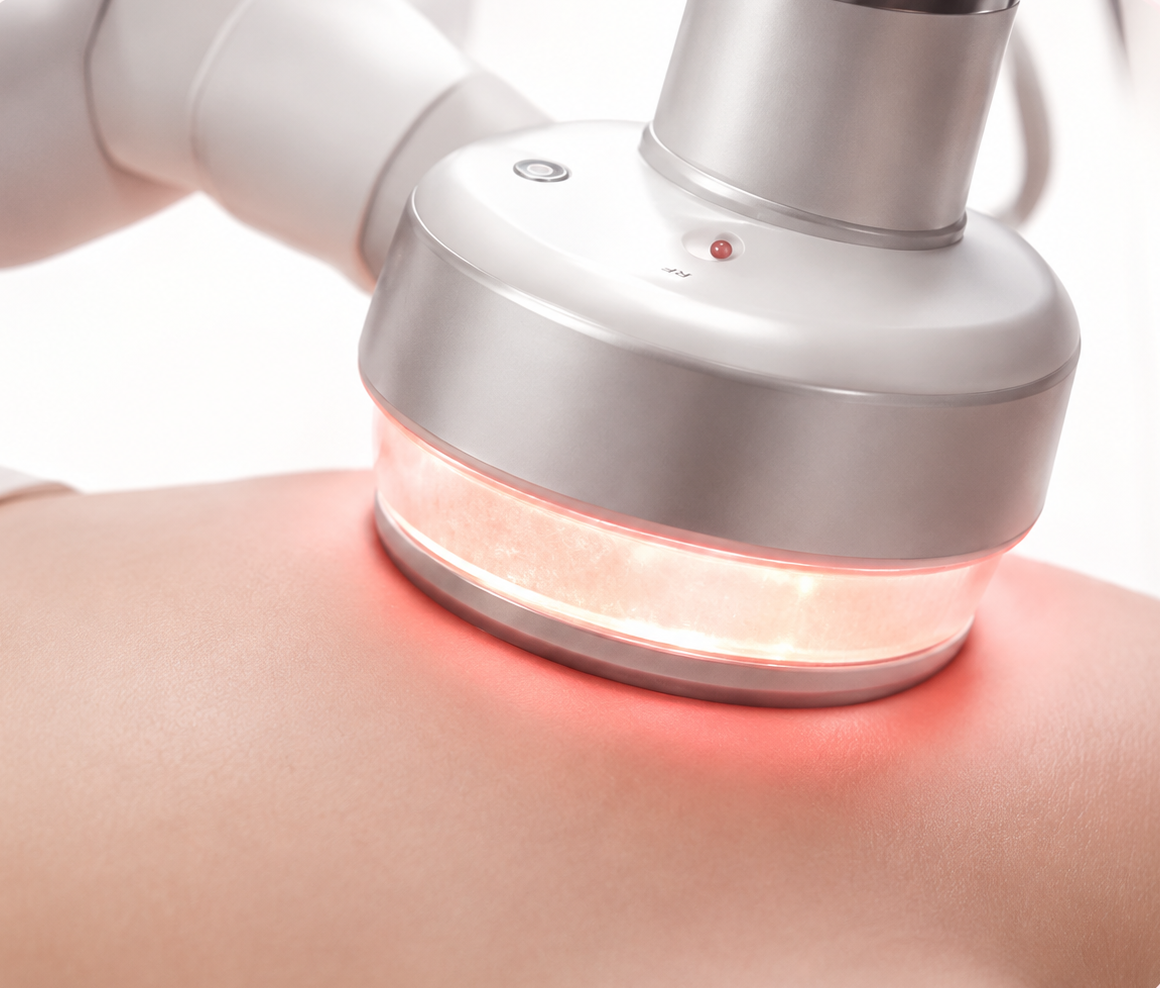
Cavitation uses low-frequency ultrasound waves to break down fat cell membranes, releasing their contents so the body can process and eliminate them naturally through the lymphatic system. It is often paired with radiofrequency treatments to help tighten the skin at the same time.
Cryolipolysis
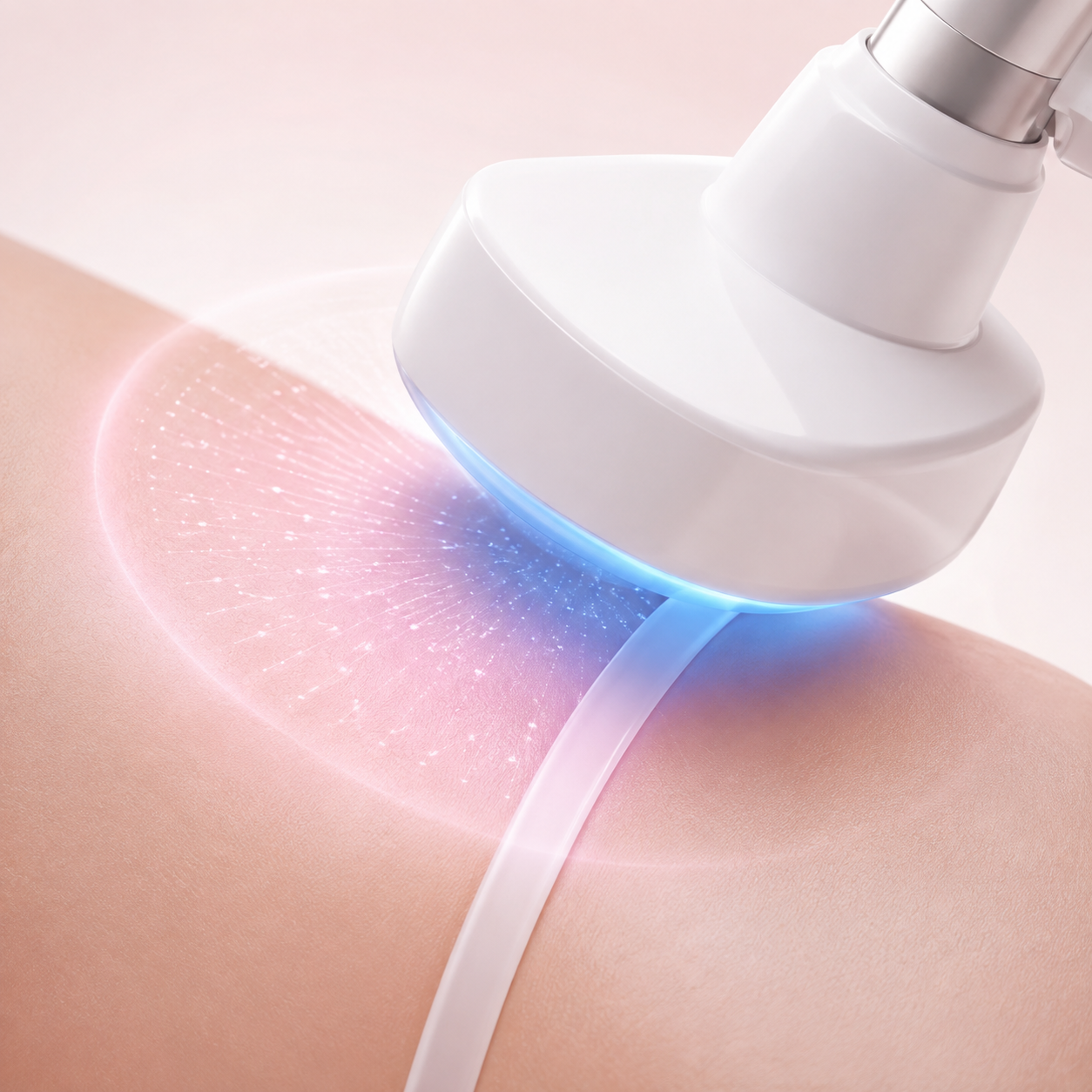
Cryolipolysis, often known by the brand name CoolSculpting, uses controlled cooling to freeze and destroy fat cells in a targeted area. Because fat cells are more sensitive to cold than surrounding tissue, this method can selectively reduce fat without harming the skin.
Which Should You Choose?
Cavitation tends to show gradual results over a series of sessions and is well suited for people who want a more flexible, adjustable treatment schedule. Cryolipolysis often requires fewer sessions but each session targets a specific area for a longer period of time.
During your consultation, our team can help assess your goals, treatment area, and skin type to recommend the option that will work best for you.